When you need to understand why or how your users are behaving, it’s important to remember empathy. Having empathy in your research studies allows you to get to know your user on a deeper level and gives you a chance to create a better product that will meet their needs. To make sure you are gathering data empathically, be sure to use empathy research methods while studying them. Here are a few of my favorites:
What, How, Why Method
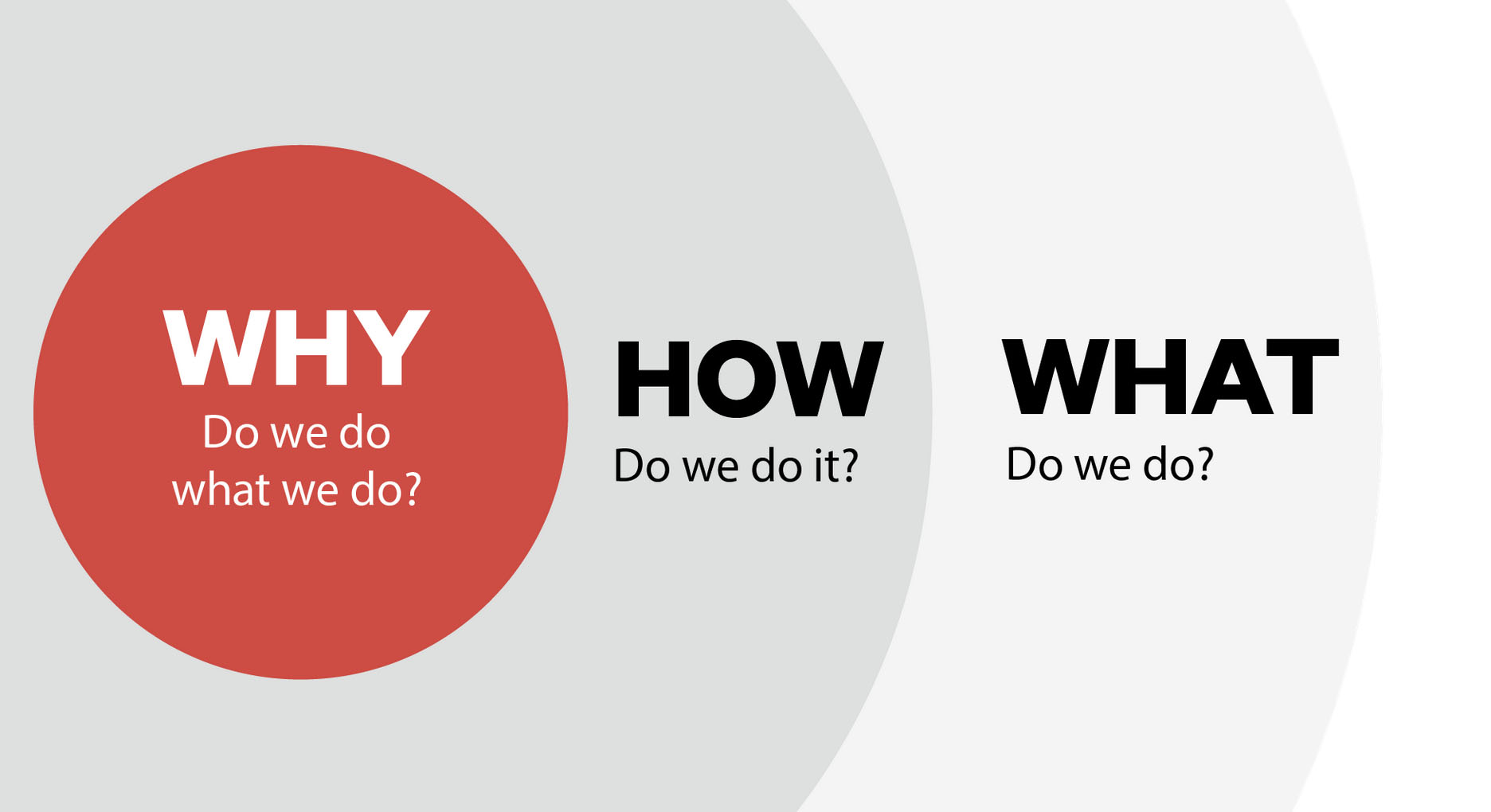
The what, how, why method helps you gather as much information as possible and should be used in the beginning of your research. This method is very observational, and it should be noted that you may have more assumptions than answers here.
To use this method, you would observe this user and answer: what are they doing? How are they doing it? And why are they doing it? Answering these questions help you uncover the user’s motives and justify their actions. Be sure to be detailed at each stage, noting their environment, any difficulties, and possible motivations. What makes this method relevant is how it uses simple observation, allowing you to understand user motivation on a deeper level and any emotional reactions.
An example of using this method could be in an office environment, where a boss notices their employee is struggling to complete their work. The boss writes down what he observes in the employee and asks him whats wrong. When the employee responds that they are dealing with a death in the family, the boss listens and asks how the company can help during this time. They decide to give him the necessary time off and have another employee help with his work while he is away. The what, how, why method helped the boss identify the situation and upset employee, explore solutions for said employee, and identified a reason to then change the situation.
Creating a Storyboard
Another early-stage method is storyboarding. Here you create a series of sketches that show the step-by-step customer experience. This helps you empathize with the customer since the story is from their point of view. Most companies would create these storyboards and then either validate it with more research or highlight where it falls short.
The storyboard illustrates a series of events the user does to complete a task or their overall experience with a specific product. The pictures should convey feelings, emotions, and needs. Be descriptive and make it more useful than just a step by step illustration. The storyboard should highlight any friction with the product or a difficulty between a business and its customers. This method when done right, provides a clear visual narrative of a user, showing a project’s overall direction.
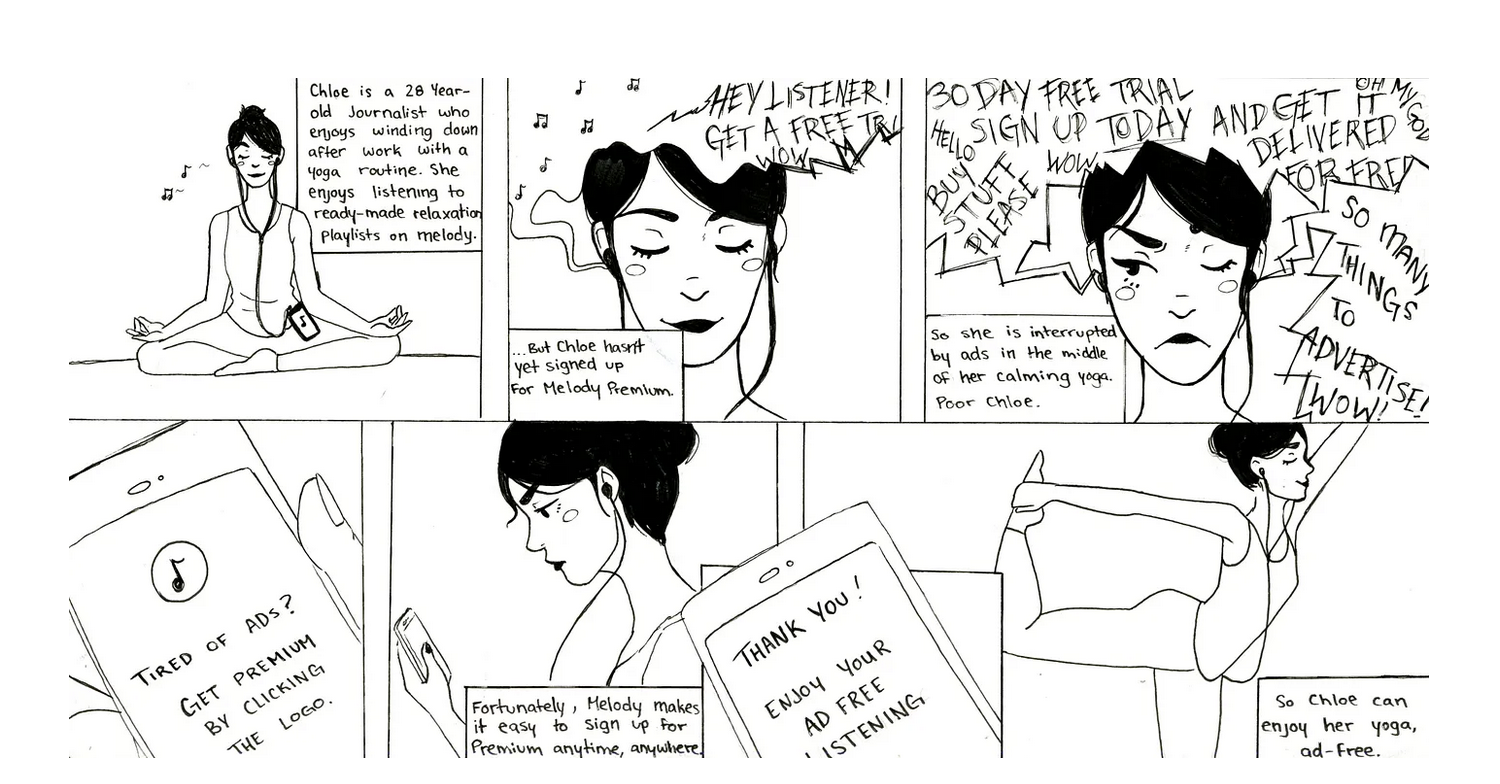
A great example of using storyboards for empathy research comes from this article by Logan David. While working on a music streaming service he created a storyboard that showed a typical user and one of the issues with the app. In the storyboard, the user is doing yoga and finds her music being interrupted by an ad. She gets frustrated by the pop up but eventually decides to sign up for ad free listening. Logan illustrated a typical user’s experience and was able to understand how to make the pop up user-friendly and not as disruptive. He also knew that it would have to appeal to a wide audience, considering many people listen to music while doing other activities.
Observing and Interviewing Extreme Users
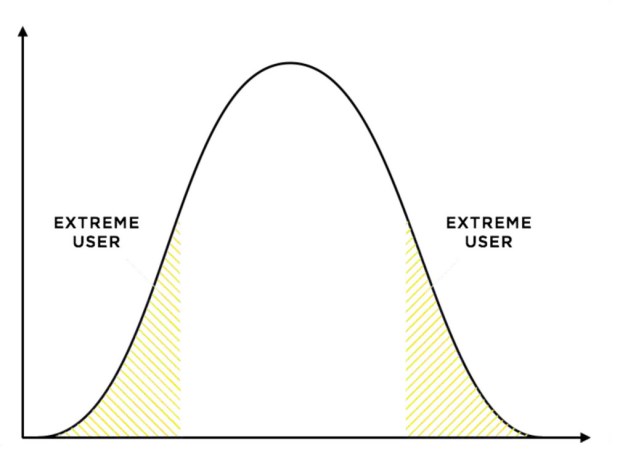
Engaging with extreme users is just like what it sounds like. As a researcher, you would identify customers that are on either side of your user spectrum and then observe and interview them in their natural environment. This method allows you to focus on their individual experiences and challenges, but also lets you in on insights that might not have shown up in your typical user demographic.
Extreme users, for example, would be a professional chef and a new chef’s first day on the job. The interviews should be at least 30 minutes each and should be done individually. As the researcher, aim for around 10 extreme users on each side of your spectrum, this way common issues will surface. First, observe them working in their environment, once they are comfortable you can conduct the open-ended interview where you focus on listening, gaining insight, and understanding.
Continuing with the chef example, you could use this method when trying to figure out why a certain kitchen appliance doesn’t have great online ratings. Having two different users tell you their experience and why they don’t like to use it would be eye opening. The professional chef may say it takes too long to set up and clean up, while the new chef may say the appliance instructions are too intimidating. This research method can show us both angles to a problem and help you come up with a solution to help both kinds of users.
Going Forward
Using these methods can be a great start into identifying real problems and creating human-centric solutions. No design process should be completed without empathic research and truly understanding your users. While these three are just a start of the empathic methods that are out there, they can be great stepping stones into understanding who you are building and designing for. By making empathy a continuous practice, we can make sure that our products not only meet our user’s functional needs but exceed them.

 The Creative Corner