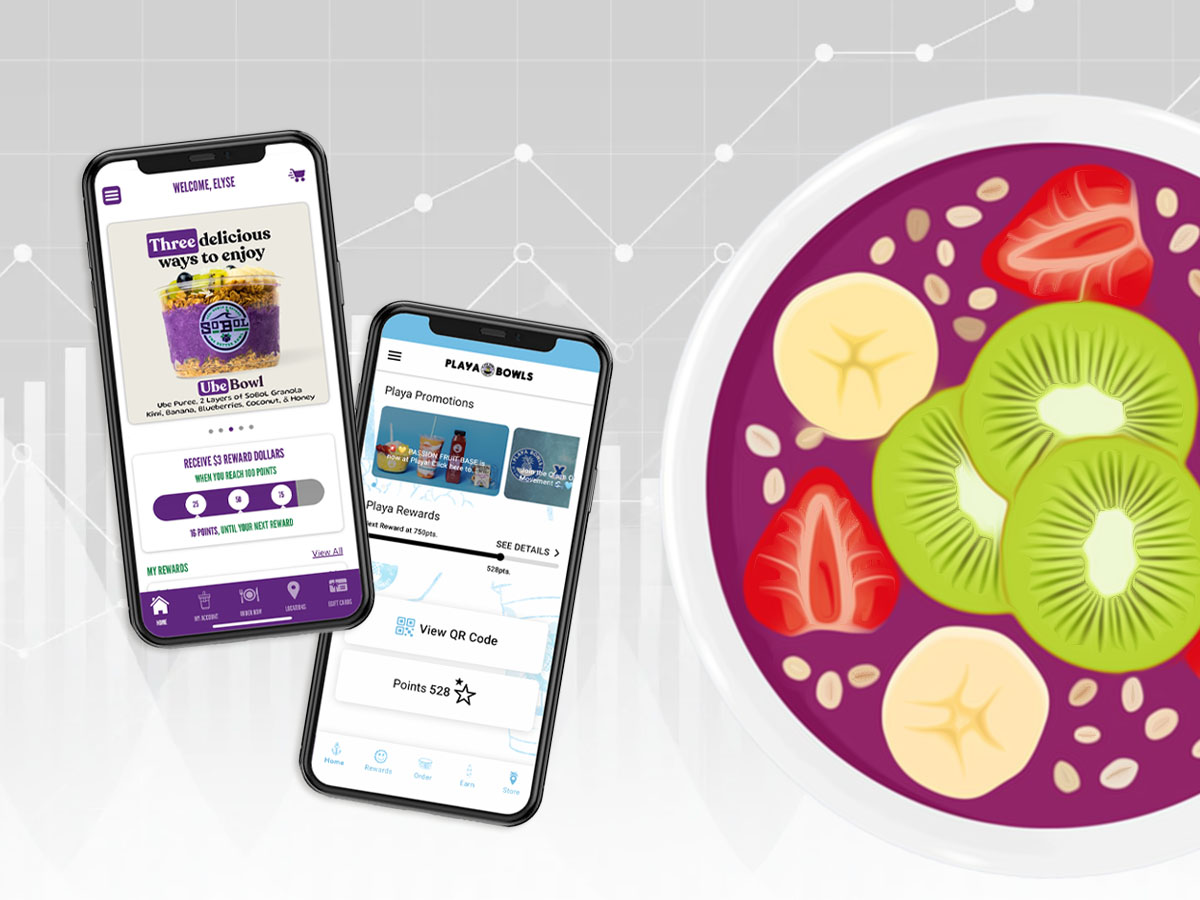
Whether we like to admit it or not, our emotions play a big part in our everyday experiences. Especially when it comes to building products and user experience. Understanding our emotions or user’s emotions can help us uncover why a product works or doesn’t work. Without the psychology aspect, user experience wouldn’t make much sense to us researchers. But by figuring out user emotions, we can predict behavior and therefore make a better product.
To better explain, I am going to show you an analysis I did on two competitor’s apps and how my emotions swayed me into favoring one over the other.
Comparing Competitors
For this example, I will be inspecting the Playa Bowls app and the SoBowl app. These two companies are competitors and are popular in the health food sector. They serve fruit smoothies as well as acai bowls. They have very similar menus, have a similar vibe in store, and both specialize in acai based foods. While I have enjoyed both chains for many years now, I have developed a preference of using SoBowl’s app more often. Since both offer generally the same menu items, I know my preference is unrelated to food choice and may have something to do with SoBowl’s easy to use app.
Throughout this analysis, I will be using feel and needs sentences to show my feelings about specific parts of the app. By identifying my feelings, I can then see if my needs were met or not.
The Homepage
I first looked at the homepage on both apps. Here there was a very clear winner and that was SoBowl. When looking at their app I felt stimulated, lively, and thrilled because my needs for effectiveness, clarity, and beauty were met. I loved the large photos, combined with the rewards tracker, and found familiar app icons that made navigation easy. This feeling of knowing how to navigate the app with ease was enjoyable, something that I did not experience with Playa Bowls. Playa Bowls on the other hand, had an app that made me feel frazzled, hesitant and lost because my needs for harmony, balance, and effectiveness were not met. For me, it was difficult to read and see icons for navigation and the page itself felt unbalanced. With little design elements, this wasn’t very appealing.
You can tell just by how I described each app that when my needs were met, I had a better overall experience with the product and actually enjoyed using it.

The Order Process
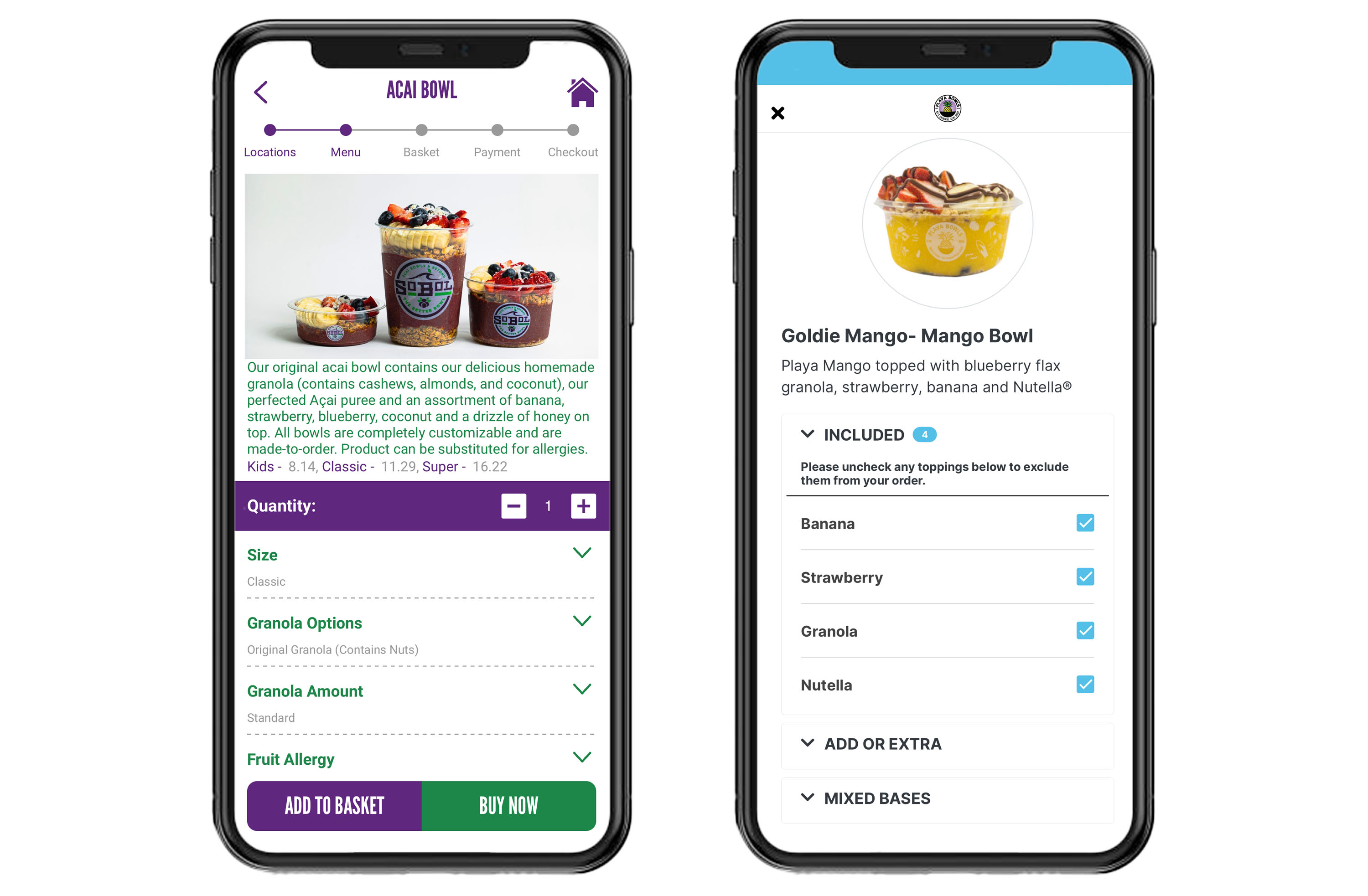
When looking at the order process for each app, SoBowl had me feeling confident, satisfied, and carefree because my needs for ease, flow, and integrity were met. Going through the full order process was a breeze. With a progress bar at the top, I could see where I was in the task. I also liked that I was able to add to my basket or fully checkout right from the menu screen, making orders that much easier. When testing Playa Bowls, the ordering process was actually very similar. Here I felt open, delighted, and pleased because my need to understand, to have ease when ordering, and inclusion were met. I loved that the steps were structured and had large photos of products and descriptions. It was easy to go through and customize in both apps, which is something I love about them.
When thinking about user experience, it’s important to understand what our users will be using the product for and to make sure the entire process is welcoming and can be completed. From what I found, both companies were able to create an enjoyable ordering process that eliminates user error as much as possible.
The Rewards Feature
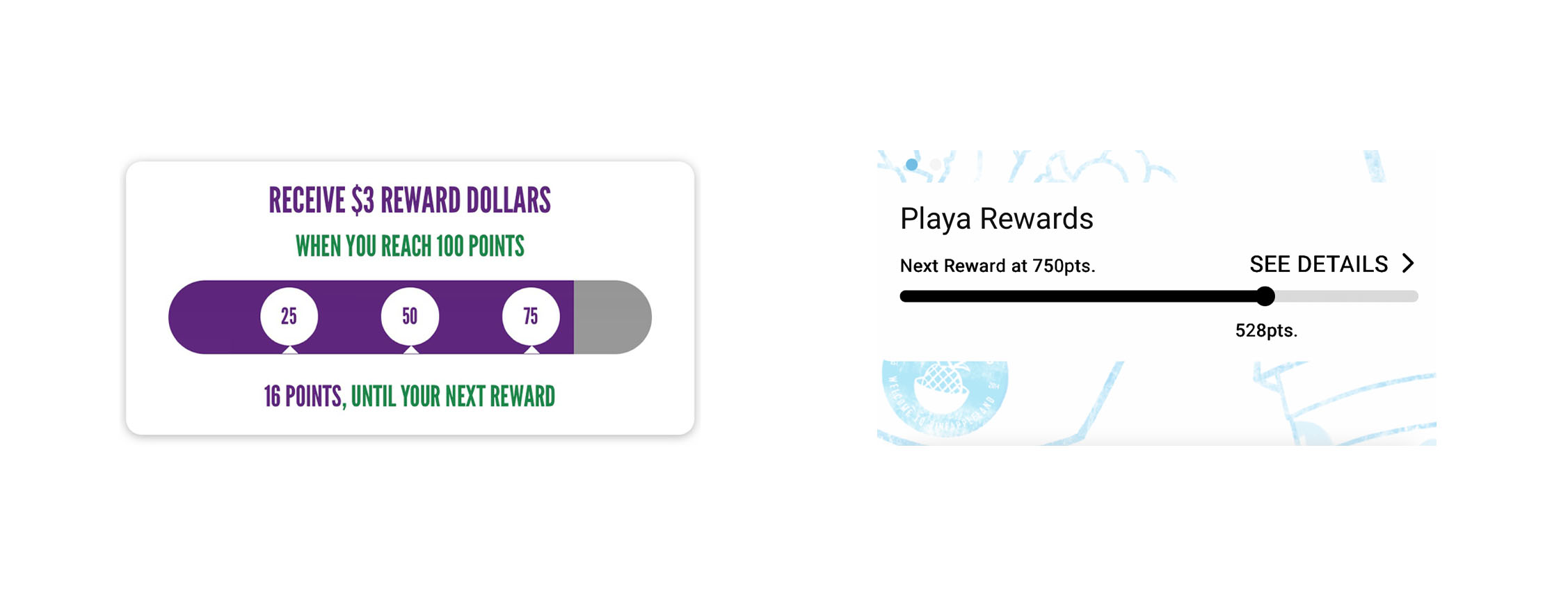
The rewards feature is another part of both apps that get visited often. With SoBowl, their tracker displayed all the right information while Playa Bowls missed out on an opportunity to draw their user in. SoBowl had me feeling playful and surprised because my need for excitement and to see and be seen were met. While Playa Bowls made me feel frazzled, hesitant and lost because my needs for harmony, balance, and effectiveness were not met. Playa Bowls had no visuals; they just displayed the points. This felt like a missed opportunity to appeal to their audience. SoBowl worked it much better by having visuals and showing me just how close I was to my next reward, not just telling me.
In UX, data shouldn’t just be given, it should be displayed in a way that draws users in. With something like a rewards feature, this is an opportunity to give positive feedback to customers, which creates engagement and satisfaction.
The Menu
Finally looking at the menu in both apps, I was surprised at how each company approached it. SoBowl brought you to a category page where items were broken up, making the large menu feel manageable and organized. Inside each category I could choose a specific item and customize it. This made me feel engrossed and respected because my need for creativity and individual choice was met here. While in Playa Bowls, I felt content and focused because my basic needs were met like efficacy, but other needs were not met, like lure and attraction. They seemed to have built their menu in an efficient way as well, but some areas could be improved like being able to read the full item description on the first page, rather than having to click and be brought to a new page.
Feeling content with features and having a positive outcome will translate into more orders being placed through the apps. This means that customer emotions, can predict the success or failure of your product.
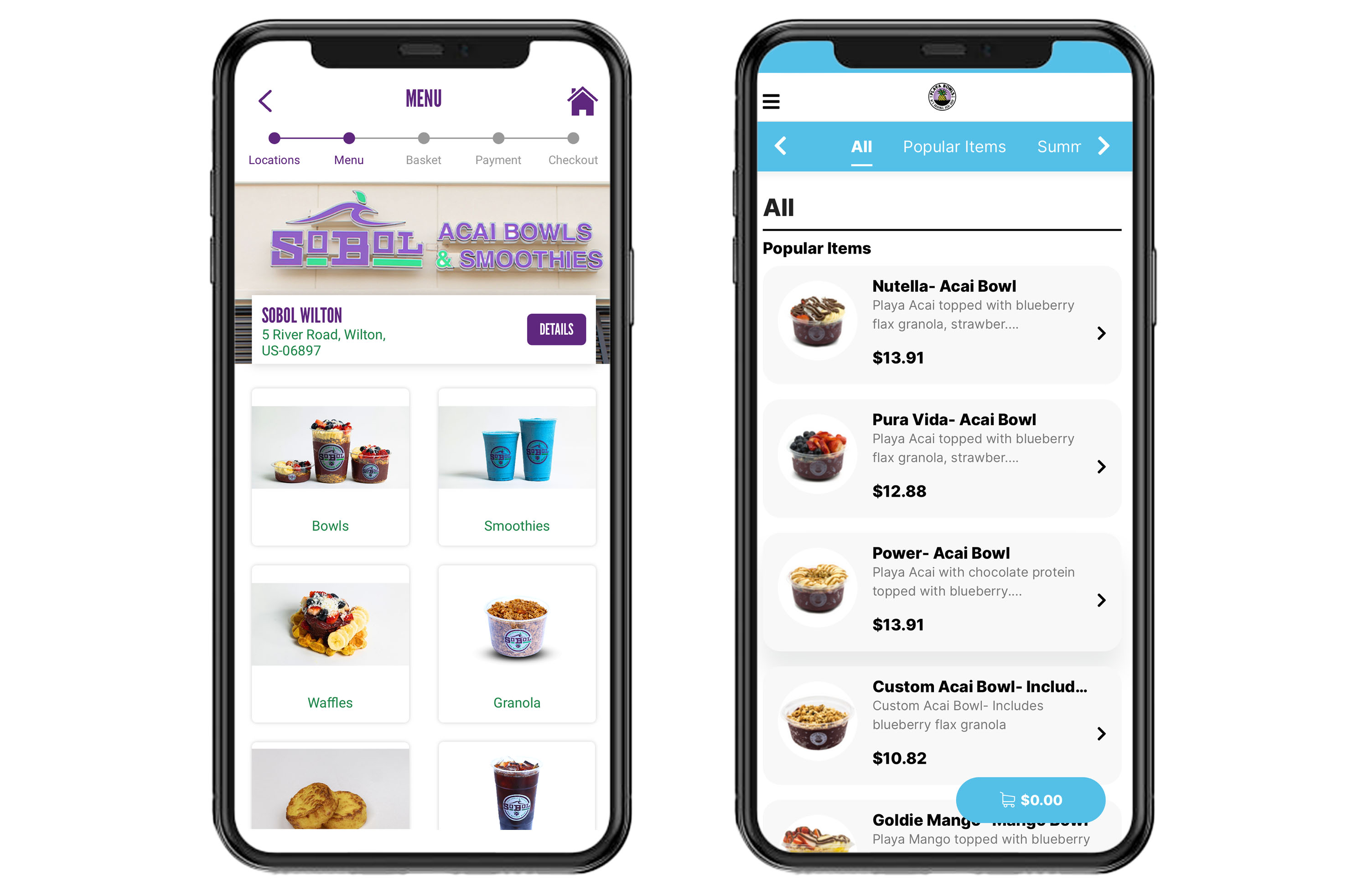
are broken down into categories, making it less overwhelming.
Conclusion
Wrapping up the analysis, I not only discovered the positives and negatives to each app. But I was able to understand how the design affected my user experience. My emotions affected my idea of each app and the company. It was clear that with SoBowl I had a better working app and had a better experience, turning me into a returning customer.
Inserting psychology into UX design will always be for the better. When we do this, we can start to understand patterns, decision making and the needs of our users. When these needs are met, only then can the product start to gain traction and create a lasting effect on our customers.
The full analysis on SoBowl and Playa Bowls can be found here.

 The Creative Corner