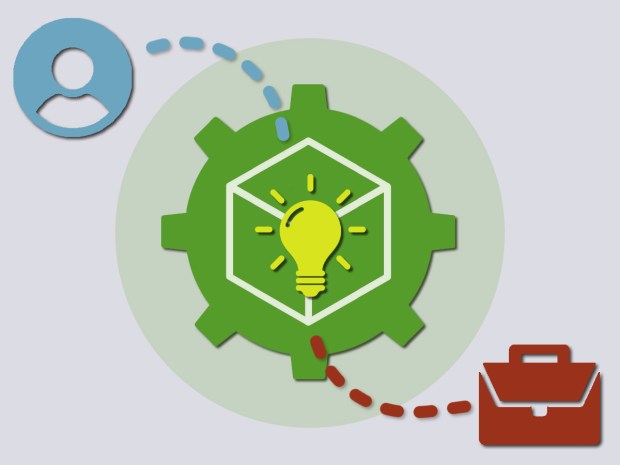
With any good product there has usually been a significant amount of user testing and research. In UX design, gathering user requirements as well as business requirements are important ways to create a better user-focused products. While often user and business requirements don’t match, many people assume that one must be more important than the other. But I personally believe that both are equally important, and we cannot redesign a product without knowing all the requirements.
Some may say that end users are more important for the product’s end goals, but often stakeholders or product teams will declare that business requirements are most important because they support the company’s objectives. However, with this back and forth, everyone involved in the project should work together to find the right objectives and problems to solve. Stephen Gil said it best in his Medium.com article about research and requirements: “There’s no bigger waste of time or money than solving the wrong problem.”
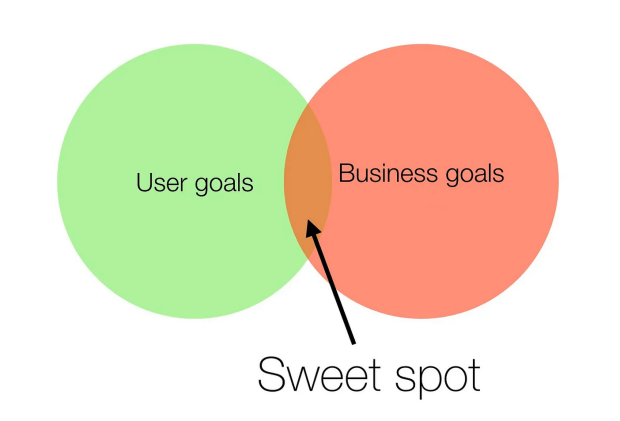
Starting a project that address user needs often leads to fulfilling business requirements down the line, and the best way to get user requirements is to talk to end user directly. Knowing who is dealing with the product can give you the most insight and tell you what is needed and what isn’t. Without knowing what end users really need, you can’t even start the project or know what needs to be fixed. Teams may result in guessing or assuming what customers want, which I feel is dangerous and a bit lazy. So remembering users is extremely important!
Business requirements on the other hand are usually put in place by high level executives and professionals. These people want the best for the product too but are more concerned with keeping the new product within company guidelines and keeping with best practices (for example: legal requirements). These are important things if we want to keep existing customers and continue to grow after implementing new changes.
In my recent readings, uxmatters.com brought up a good point saying if there are no known business requirements, you may end up focusing on the wrong issues. These requirements can help you learn about the competitive landscape and how your product ranks against other similar brands. They can also give you insight to strategies that can take your product from good to great and whether you should focus on profits or affordability. Without knowing this information, it seems impossible to know if your new design fits with the company’s ideas. It will also be difficult to get your design approved and built if it doesn’t match what the business wants, which is risky. As a designer myself, I often work closely with these executives so it’s important to remember business requirements.
For all user-centered design products, we should remember that business and user requirements are equally important to research. We should gather information from both sides and combine issues, pain points, and key changes that will satisfy both parties. While each perspective will have its own ideas, I believe there is space for both to be heard and feel valued. All great products have had this give and take mentally and in the end that has led to some amazing product re-brands that will outlast our lifetime.

 The Creative Corner