Everything we could ever need or want these days can almost always be accessed by digital means. Anything from ordering groceries to maintaining friendships by FaceTime. Everything we can dream of, we can do as long as we have internet. But because our world is all online now, there are many of us (including myself) that struggle with constantly being in front of our phones. I have always hated how I felt so attached to constantly opening my phone up, waiting for notifications, or seeing what my friends are up to. This led me to go on a small digital detox journey for five days to see if I could handle giving up my most used app…Instagram.
Starting the Detox
Giving up Instagram is sure to encapsulate a range of emotions. At first, I was excited by the challenge and was off to a great start by keeping busy with work during the day and doing chores around the house but I noticed at night I would start to feel anxious as if I was missing something. The habit alone of picking up my phone and opening the app was the hardest to stop. Of course, there were times where I would completely forget about doing the detox but thankfully, I had installed One Sec on my phone, which would prevent me from opening Instagram and ask me if I was sure I wanted to log in. I would immediately exit of course but the real beauty of this app was that it kept track of how many times I tried to open the app and how much time I saved by not indulging in the scroll. This data would be useful when creating my data visualization, which I will post near the end of the blog.
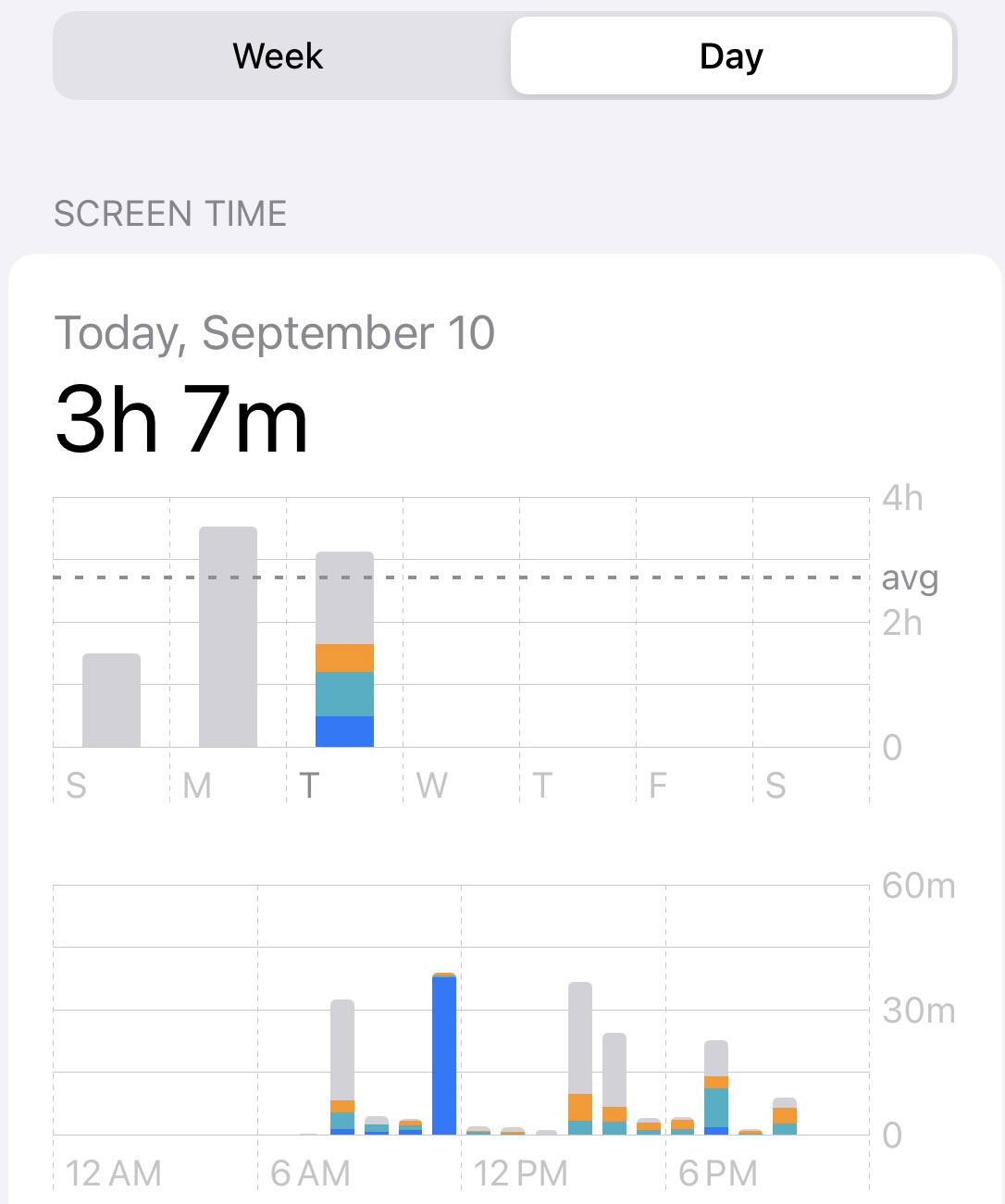
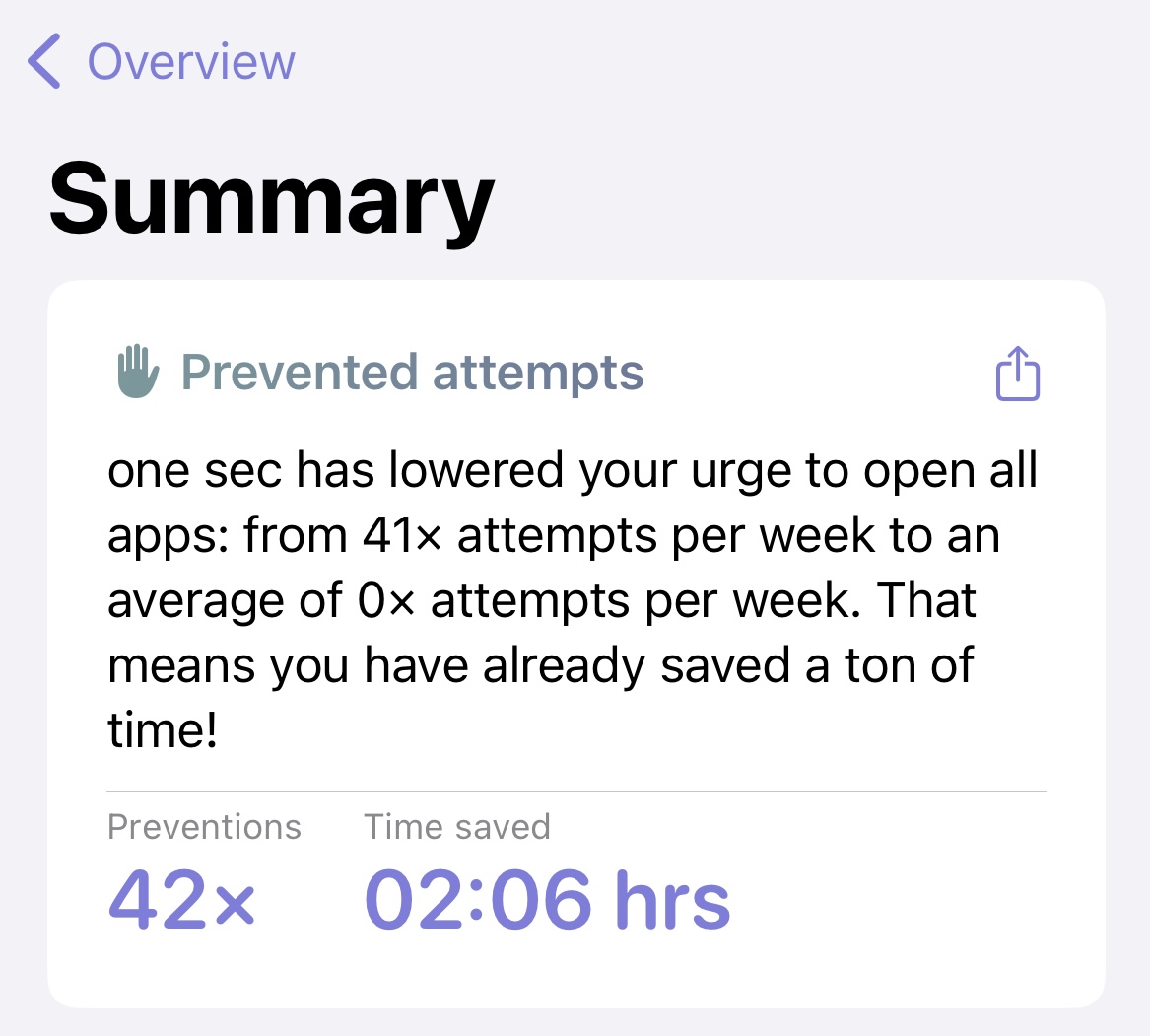
Screenshots of my screen time for Tuesday (left) and my
One Sec summary after five days (right).
My Inspiration
Part of my inspiration in doing this detox was because of the book Stolen Focus, by Johann Hari. The most recent chapter I read talked about Facebook’s business model, which is to keep us on the app for as long as possible. The longer we scroll, the more money they make. The more distracted we are by our phones, the better it is for them, and this isn’t just Facebook, this is all social media. This business model felt a bit personal because there have been many times where I have been sucked in by endless content and have lost track of time while staring at my phone. On the Stolen Focus’ website, in chapter 7’s audio list, I found the key part where Hari speaks to Mr. Harris, who explains Facebook’s logic and how they make money. He explains that if Facebook was used only to link up with friends in real life, we would only be on the app for a fraction of the time. This would make its value go down and it wouldn’t be worth what it is today.
About halfway into my five-day detox, I started to feel more anxious. I felt the withdrawal of having nothing interesting to look at on my phone. I was so use to opening the app to get design inspiration or to just to look at something visually pleasing, but now I had nothing! My usual dopamine hit had to come from somewhere else! This led to me to going bed early most nights, only because I was feeling so lost that it was my only reprieve.
I also realized I had some newfound time on my hands. With that, it led me to read up on others who have famously tracked and studied data about their lives. The first person was Nicholas Felton, who for ten years tracked and recorded his daily life and created a visual report explaining the data. What he has created out of the variety of data was remarkable and took a lot of self-discipline. His story inspired me to create a data visualization chart explaining my own numbers in a similar dramatic fashion, crafting a story out of our daily rituals. Another project I read about was Dear Data. This involved two friends documenting their week on a postcard and mailing it to each other. They would pick a topic and then collect that data for themselves as they went along for seven days. All their data and charts were hand drawn and so creative that it really got me thinking about how data doesn’t need to just be a graph or be analytic looking. Their drawings were works of art, and so unique from one another that the project has sparked a book and a place in the Museum of Modern Art.
The Final Days
While Wednesday ended up being my lowest screen time, I credit that to being busy by my social obligations. that day showed me that having real life connections and living outside of our phone is so much more beneficial. When I was around my friends and doing activities I loved, I didn’t miss social media one bit! Towards the end of my journey I was feeling less anxious about not being on Instagram, but I was also being bombarded with videos from friends that would lead me to open the app. Of course I then had to explain I couldn’t watch them and this ultimately was the hardest for me! It was almost as if I was being teased. I had to manage my feelings and then force myself away from the phone or I knew I would watch them.
At the end of the five days I looked over my data and noticed that my overall screen time and how many times I picked up my phone went down significantly. According to the One Sec app, I started to open Instagram up much less, almost by half, and I saved about two hours and six minutes of scrolling time in just five days! This experiment showed me how often I reach for my phone and how most of the time its to check Instagram, when I could be doing so many other things!
Below is my data visualization, where you can see more of the data that was recorded and see how I handled the detox day to day. This was certainly a challenge, but I truly think it’s something we all should try. This digital world can get the best of us sometimes, so let’s all remember to put down our screens and get back to the world that’s happening around us.


 The Creative Corner